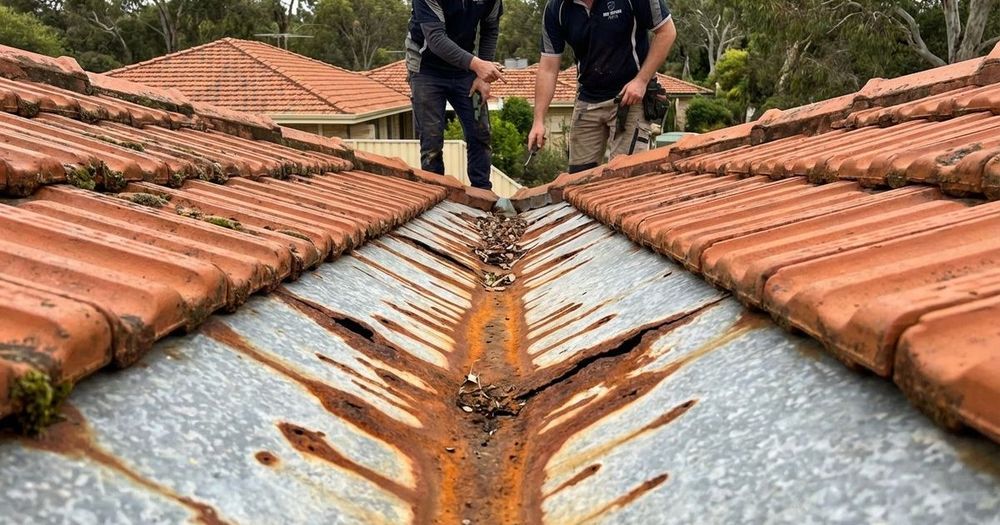
Valley irons carry more water than any other part of your roof, and they are the part nobody looks at.
One minute it is dry, and the next, a massive volume of water is testing every seal on your home.
From our experience at Roof Repairs Perth, the valley iron is usually the first component to surrender to this pressure.
We find that most homeowners do not realise these hidden metal channels handle more water volume than any other part of the roof system.
This guide breaks down exactly why they fail and how to spot the damage before it destroys your ceiling.
What Do Valley Irons Do?
A roof valley is the internal angle where two sloping roof sections meet.
Think of it as a high-capacity gutter channel built directly into your roof structure.
Every drop of rain that lands on the adjacent roof faces flows downward into this valley, concentrating water into a narrow stream.
The valley iron lines this channel and directs the water safely down to your external gutters.
We see these components as the critical “freeway” for rainwater.
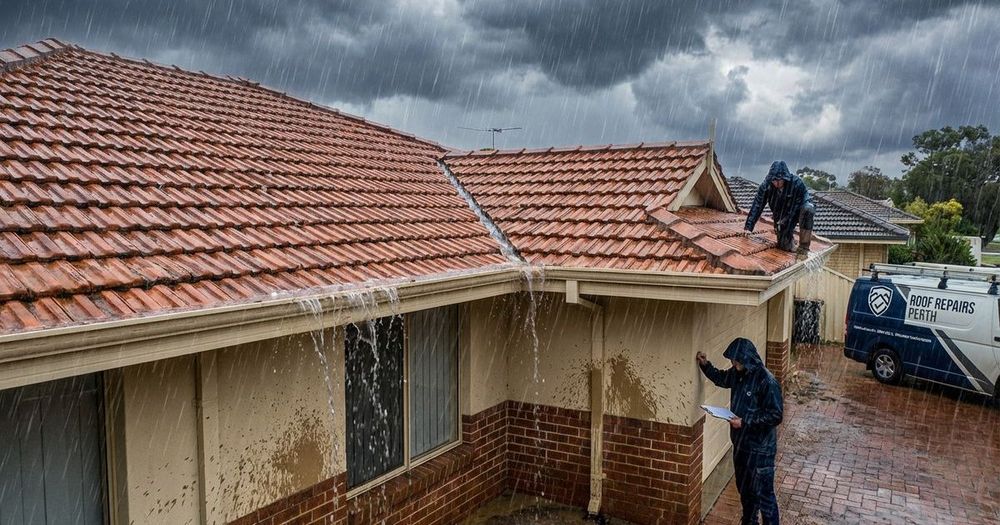
During a standard Perth storm, a roof valley might handle hundreds of litres of water in a matter of minutes.
This metal sheet, traditionally galvanised steel but now typically Colorbond or Zincalume, is the only barrier between that rushing water and your internal roof cavity.
When a valley iron is functioning correctly, water exits your roof quickly.
Once it rusts through or loses its seal, that concentrated stream pours directly into your ceiling space.
Why Valley Irons Rust
Perth presents a unique set of challenges that degrade roofing metals faster than in other Australian cities.
We consistently see specific environmental factors shorten the lifespan of standard valley irons in the Northern Suburbs.
Understanding these triggers helps you anticipate when your roof might fail.
The Coastal Salt Factor
Homes in suburbs like Hillarys, Ocean Reef, and Mindarie face constant salt spray.
We know that salt accumulation accelerates corrosion on standard galvanised coatings by up to five times compared to inland areas.
If you live within 1km to 5km of the ocean, standard steel valleys often fail years before their warranty expiration without the right coating.
Debris and “Wet Poultice” Corrosion
Our local flora, specifically Eucalyptus and imported Jacarandas, drop leaves that collect in valley channels.
This debris traps moisture against the metal surface, creating a “wet poultice” effect.
The decomposing leaves release acidic compounds that eat through the metal coating even when it isn’t raining.
Galvanic Reaction Issues
We frequently identify older roofs where incompatible metals were installed together.
For example, if an old lead flashing touches a modern Zincalume valley, a chemical reaction occurs that strips the protective coating from the steel.
This results in rapid rusting at the contact points, a problem that no amount of cleaning can fix.
Warning Signs of Valley Iron Failure
You often cannot see the valley iron clearly from the ground, which makes early detection difficult.
We recommend looking for these specific indicators that suggest your valleys are compromised.
1. Water Stains Below Valley Lines
Internal ceiling stains are the most obvious distress signal.
If you see a yellow or brown patch on your ceiling, trace its location relative to your roof layout.
We find that if the stain aligns diagonally with a roof valley, the iron has almost certainly rusted through.
2. Rust-Coloured Water Marks on Tiles
As the metal deteriorates, water washes iron oxide particles down the roof.
Check the tiles located immediately at the bottom of the valley, right where they empty into the gutter.
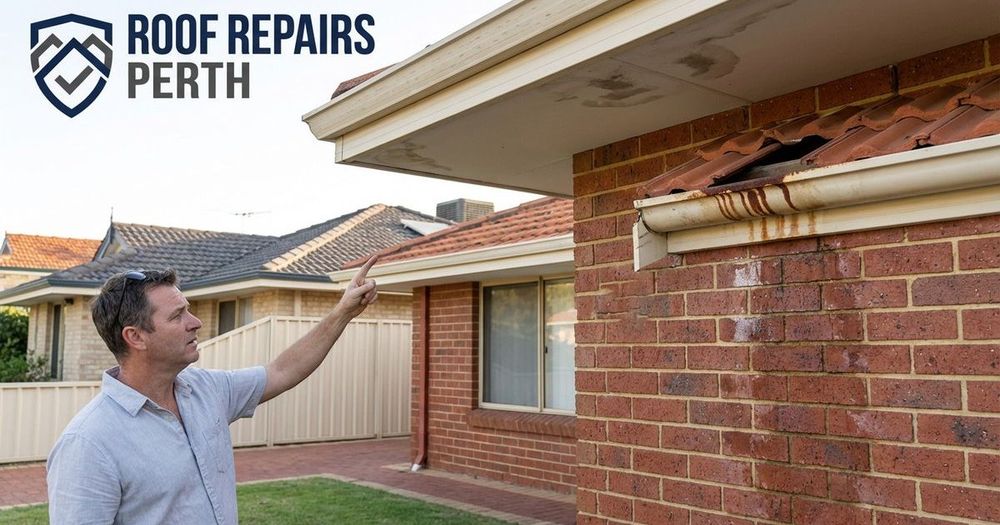
Orange or brown streaking on these tiles indicates the metal upstream is actively corroding.
3. Visible Rust When Tiles Are Lifted
During a professional inspection, we slide the cut tiles back to reveal the metal channel.
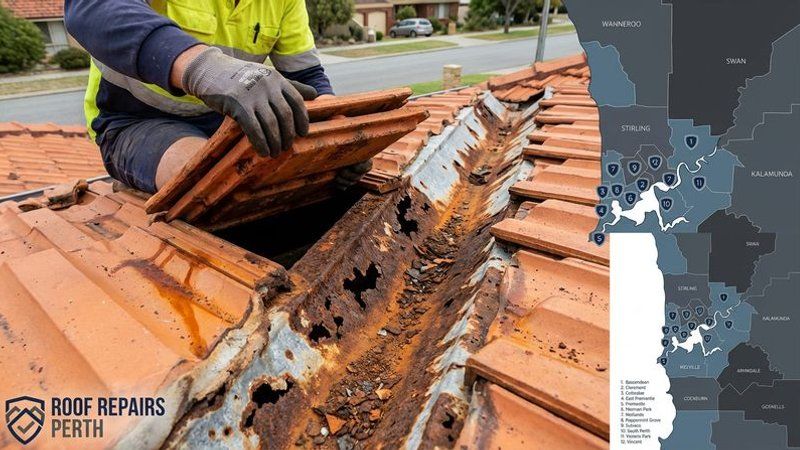
Surface rust (red or white powdery oxidation) is the first stage of failure.
If we see flaking metal, pitting, or pinholes, the unit has lost its structural integrity and requires immediate removal.
4. Debris Build-Up in Valleys
Consistent clogging often points to a structural deformation.
Rust weakens the steel, causing the valley to sag under the weight of wet leaves and water.
This sagging creates a low point where water pools, leading to leaks even during light showers.
5. Water Entry During Moderate Rain
A fully rusted valley does not need a storm to leak.
If you notice drips during steady, moderate rainfall, pinholes have likely formed along the waterline.
These small holes allow water to seep into the roof cavity before the gutters even fill up.
The Consequences of Ignoring Rusted Valley Irons
Delaying action on a rusting valley is a financial gamble.
We see repair bills for water damage often triple the cost of the original roof maintenance.
The issue is that valley irons concentrate water, meaning a failure dumps litres, not drops, into your home.
- Insulation Destruction: Fibreglass batts act like a sponge, holding moisture against your ceiling gyprock and rendering the insulation useless.
- Rapid Mould Growth: Mould spores can germinate within 24 to 48 hours in a humid, dark roof space, affecting your home’s air quality.
- Structural Rot: The timber battens and rafters supporting the valley are the first to soak up water, leading to fungal decay and structural weakness.
- Ceiling Collapse: Saturated gyprock becomes heavy and soft, leading to potential ceiling collapse in severe cases.
Replacing the iron is a planned maintenance cost; repairing a collapsed ceiling is an emergency disaster.
What Valley Iron Replacement Involves
Professional valley iron replacement is a precise process that goes beyond simply sliding in a new sheet of metal.
We adhere to Australian Standards (AS 1562.1) to ensure the new installation is watertight and durable.
The Removal Phase
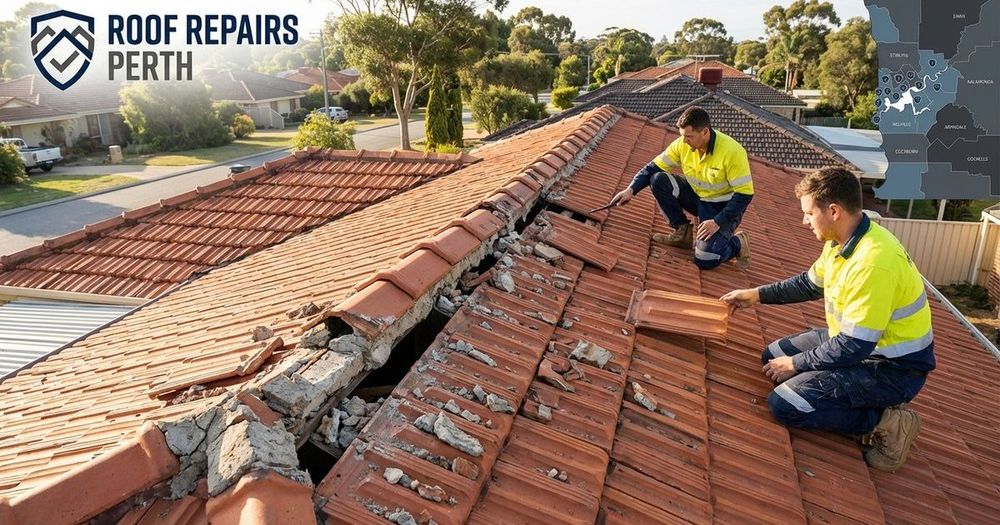
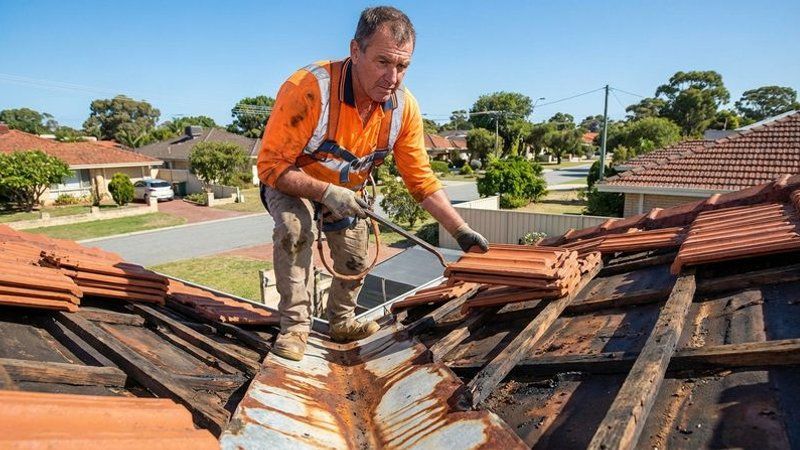
Our team starts by removing the ridge capping at the top of the valley and sliding back the cut tiles on both sides.
This exposes the full length of the old iron and the timber substructure.
We then remove the rusted metal and clear out years of accumulated sludge and debris from the cavity.
Inspection and Preparation
Before the new iron goes in, we inspect the timber battens for water damage.
If the old valley leaked, the supporting wood is often rotted and must be replaced to provide a solid base.
We also check the “sarking” (reflective foil) for tears and repair them to ensure a secondary moisture barrier.
Installation and Reinstatement
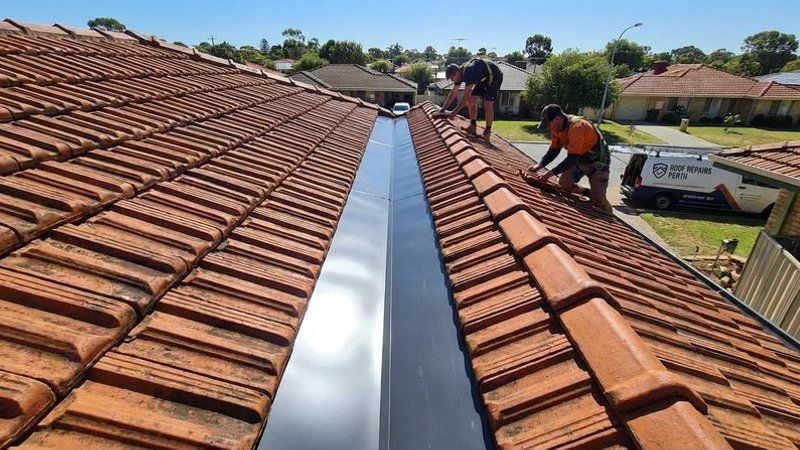
The new valley sheets are installed with a specific overlap to prevent water from running back up the sheet during heavy winds.
We use Valley Seal (a compressible foam strip) between the metal and the tiles to prevent leaves and pests from entering the roof space.
Finally, the tiles are reinstated and clipped back into position to ensure they direct water into the centre of the channel.
Choosing the Right Replacement Material
Material selection makes a massive difference in longevity, especially in Perth’s northern coastal corridor.
We help homeowners choose the right grade of steel based on their specific location and environment.
| Material Option | Best Use Case | Corrosion Resistance |
|---|---|---|
| Colorbond Standard | Suburbs >1km from the ocean | High |
| Colorbond Ultra | Coastal homes <1km from surf | Extreme (Marine Grade) |
| Zincalume | Inland suburbs & budget focus | Moderate to High |
| Copper/Aluminium | Heritage or specific architectural needs | Very High |
For the majority of our clients, Colorbond provides the best balance of aesthetics and performance.
It is built on the same AM125 metallic coating BlueScope uses across its current ZINCALUME steel, which is what stands up to the salt and UV here.
How Long Do Valley Irons Last?
The lifespan varies significantly based on the material quality and installation method.
We typically see the following timelines for valley irons in Perth:
- Original Galvanised (Pre-1990): 20-25 years. Most of these have now failed or are in critical condition.
- Zincalume: 25-40 years, provided there is no contact with incompatible metals.
- Colorbond Steel: 30-50 years, with BlueScope offering warranties of up to 25 years on the material itself.
If your home was built in the 1980s or 90s and still has original valleys, you are likely already past its service life.
A proactive check allows you to budget for replacement rather than reacting to a leak.
Book a Valley Iron Inspection
Valley iron failure is a silent threat that turns expensive very quickly.
Our team specialises in valley iron inspection and valley iron replacement throughout Perth’s Northern Suburbs.
We assess the condition of your metal, the health of the timber beneath, and the integrity of your tile bedding.
Get in touch with us today to secure your roof before the next big front hits the coast.
Need Help with Your Roof?
Get a free inspection and quote from Perth's trusted roof repair specialists. No call-out fee.