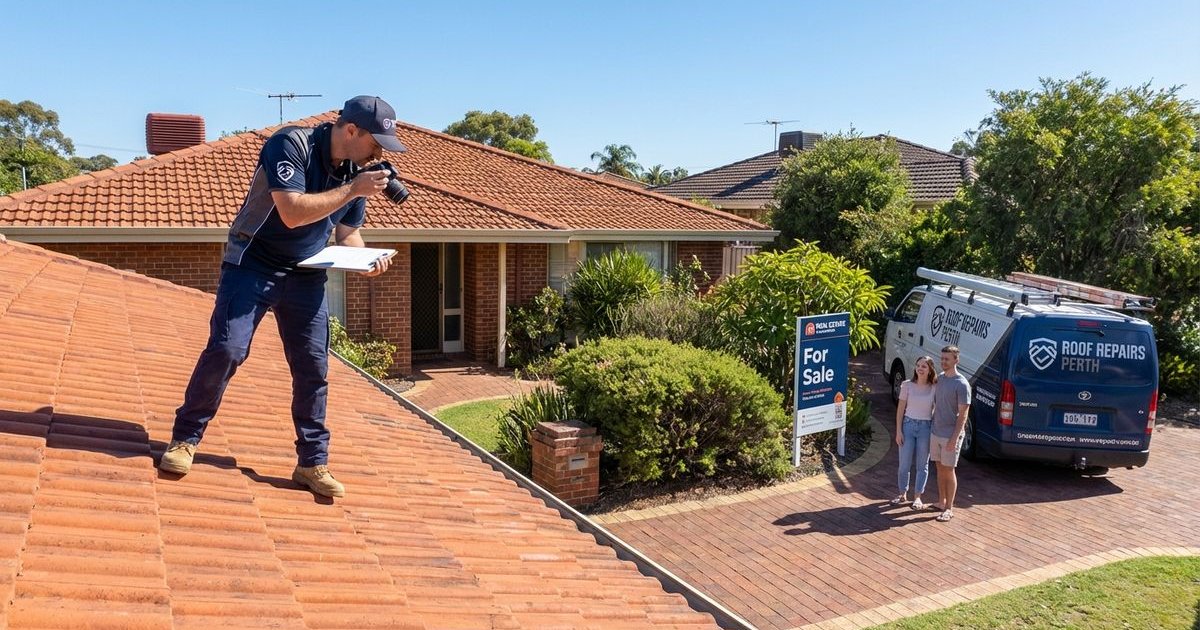
Why a Pre-Purchase Roof Inspection Can Save You Thousands in Perth
Buying a property is stressful enough without wondering if the roof over your head is actually waterproof. We’ve seen too many Perth homebuyers get caught out by the “standard inspection” trap. You know the situation: you get the building report back, it looks clean, but there’s a small disclaimer stating the inspector didn’t actually walk on the roof.
That disclaimer is where your financial risk hides. From what we see daily, reliance on a standard structural report is the single most common reason new owners face unexpected repair bills in their first year. A dedicated pre-purchase roof inspection isn’t just a safety check; it’s the only way to know the true cost of the home you’re buying.
Our team specializes in uncovering the specific issues that general inspectors are often not qualified—or insured—to find. Let’s look at why the standard checks fall short, what specific problems we’re seeing in Perth’s Northern Suburbs right now, and how you can use this data to negotiate a better deal.
Why Standard Building Inspections Often Miss the Mark
Most buyers assume a “building inspection” covers the entire house, top to bottom. In reality, the standard REIWA Structural Inspection Annexure—the default contract used in most WA property transactions—is surprisingly limited. It typically focuses on “Structural Defects,” which refers to faults that threaten the structural integrity of the building.
A leaking roof, rusted gutters, or broken tiles are often classified as “maintenance issues,” not structural defects. This means a standard building inspector can legally sign off on a home that has a roof leaking like a sieve, simply because the timber frame itself hasn’t rotted yet.
Here is the practical difference for you:
- Access Limitations: Most general inspectors are restricted by OHS laws from climbing on roofs over a certain height or pitch. They often inspect from a ladder at the gutter line or use a drone, which cannot detect loose bedding or hairline cracks.
- Specialized Knowledge: A generalist knows a bit about everything. We know everything about one thing. They might miss the subtle signs of “fretting” in terracotta or the granular loss in concrete tiles that indicates the end of their lifespan.
- The “Structural” Loophole: If a problem isn’t structurally dangerous yet, it might not make the major defect list. You are left with the repair bill after settlement.
Common Roof Problems in Perth’s Northern Suburbs
Perth’s Northern corridor has a mix of housing eras, and we see very distinct patterns of failure depending on the suburb and the decade of construction.
The 1970s & 80s: Terracotta Troubles
In established suburbs like Karrinyup, Hamersley, and Greenwood, original terracotta tiles are prevalent. While they look timeless, 50-year-old terracotta often suffers from “fretting.”
This occurs when the clay begins to flake and crumble due to decades of salt air and thermal expansion. We also frequently see:
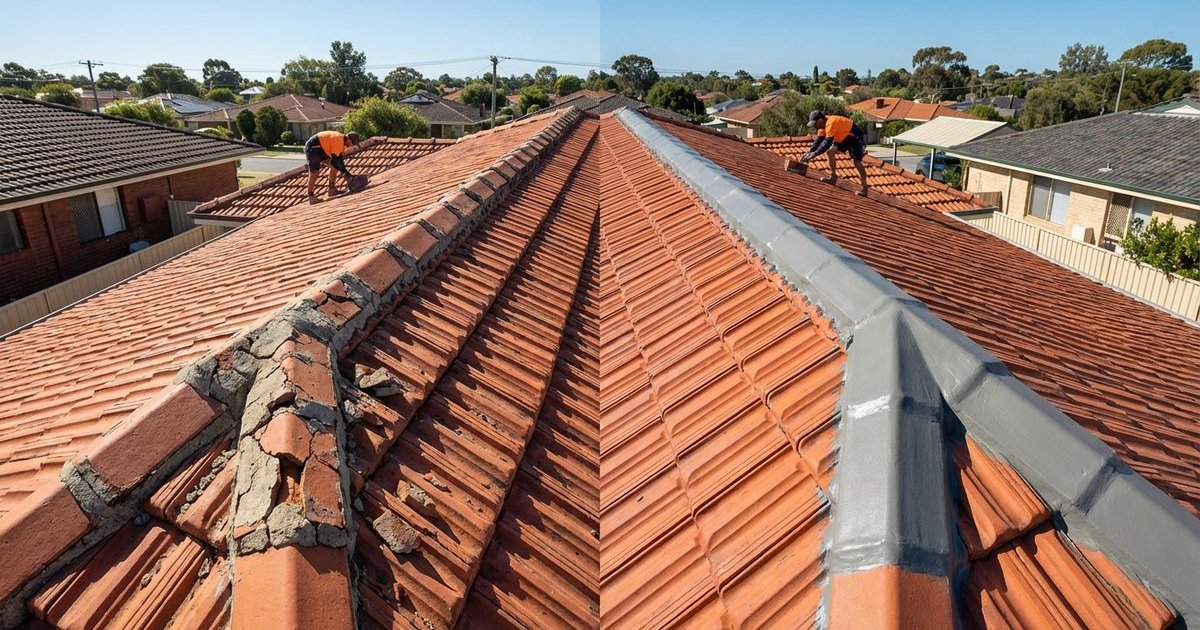
- Failed Bedding: The mortar holding the ridge caps has turned to dust.
- Rusted Valleys: Original galvanized valley irons that have rusted through, often concealed by debris.
- Lichen Growth: Heavy moss that eats into the tile surface, causing water retention.
The 1990s & 2000s: Concrete Tile Fatigue
Moving further north to Joondalup, Currambine, and Kinross, the housing boom brought a wave of concrete tile roofs. These tiles have a typical lifespan of roughly 50-60 years, but the coating often fails much sooner.
Issues we regularly flag in these areas include:
- Granular Loss: The protective coating wears off, leaving the concrete porous and prone to water absorption.
- Ridge Cap Cracking: The flexible pointing compound used in the early 2000s often peels away, leaving gaps for water entry.
- Sarking Failure: The waterproof membrane (sarking) under the tiles tears or degrades, removing your last line of defense against storm rain.
What Our Specialist Roof Inspection Includes
We don’t just look at the roof; we walk every accessible section of it. Our goal is to provide a forensic account of the roof’s health so you can make a decision based on numbers, not guesses.
A comprehensive inspection includes:
- Physical Walk-Through: We walk the ridge lines and valleys, testing the stability of tiles and flashings underfoot.
- Valley Iron Stress Test: We lift tiles around the valleys—the most common leak point—to check the condition of the metal tray underneath.
- Moisture Detection: We check internal ceilings and eaves for old water stains that sellers might have painted over.
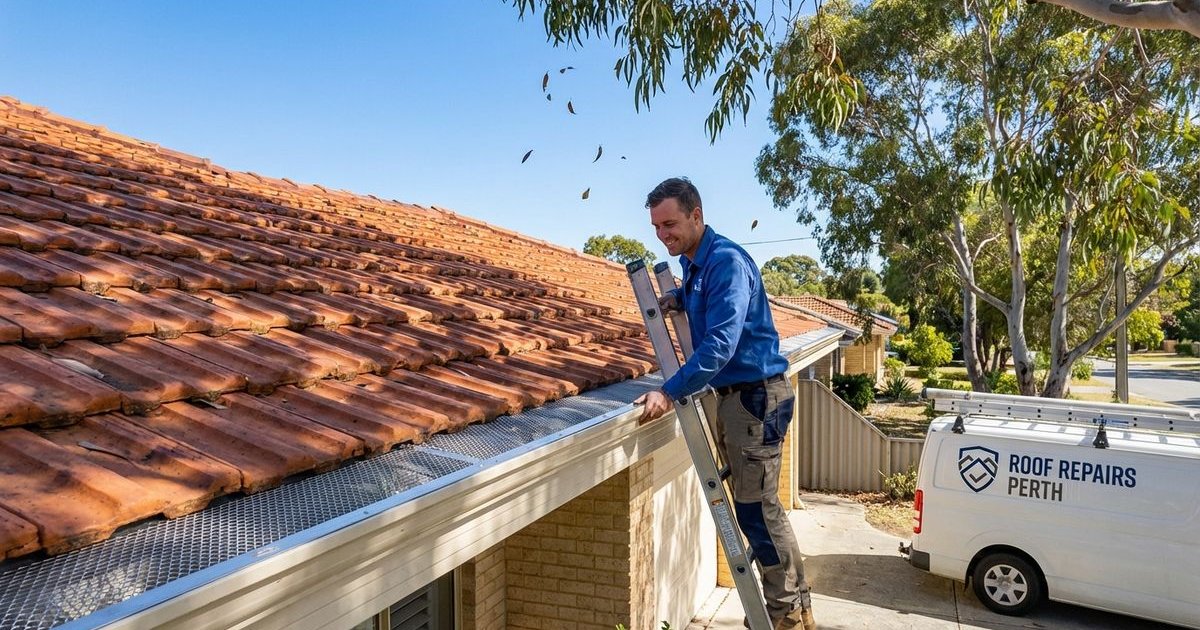
- Downpipe & Gutter Flow: We assess if the drainage system is actually large enough to handle Perth’s winter storms.
Comparison: Standard vs. Specialist Inspection
| Feature | Standard Building Inspection | Specialist Roof Inspection |
|---|---|---|
| Roof Access | Visual from ground/ladder | Physical walk on roof surface |
| Tile Manipulation | None (Visual only) | Lifts tiles to check underneath |
| Valley Iron Check | Visual from distance | Close-up rust & hole check |
| Defect Focus | Structural damage only | Leaks, maintenance & wear |
| Repair Estimates | Generic or none | specific quotes for repair |
Using the Report to Negotiate
Information is your best leverage. When you receive a report detailing $5,000 worth of necessary roof work, you are no longer just asking for a discount; you are justifying a fair market price adjustment.
We recently helped a client in Duncraig who was looking at a property listed for $850,000. Our report found that the entire ridge capping required re-bedding and pointing, and the gutters were rusted through on the southern side.
The Financial Reality of Repairs (2026 Estimates):
- Re-bedding & Pointing: $40 - $80 per linear meter.
- Valley Iron Replacement: $1,200 - $1,500 per valley.
- Gutter Replacement: $2,500 - $4,000 for a standard home.
Armed with these specific costs, the buyer negotiated a $6,500 reduction on the final sale price. The vendor accepted because the evidence was undeniable. Without the report, the buyer would have absorbed that cost six months later.
When to Book Your Inspection
Timing is critical in WA real estate contracts. You generally have two main opportunities to introduce a roof inspection:
- Before You Offer: This is the safest method. It allows you to factor repair costs into your offer price immediately.
- As a Special Condition: When writing your Offer and Acceptance (O&A), you can insert a “Subject to Roof Inspection” clause.
Warning on the “Structural” Clause: Do not rely on the standard “Structural Inspection” clause to cover roof leaks. As mentioned, a leak is often not considered structural. You must specifically request a “Satisfactory Roof and Timber Pest Inspection” that covers maintenance issues to ensure you have the right to request repairs or withdraw.
What If We Find Major Issues?
Finding a problem doesn’t mean you have to lose the house. It just means you need to do the math.
- Minor Maintenance ($500 - $1,500): Broken tiles or a blocked downpipe. These are standard upkeep costs for any homeowner.
- Moderate Repairs ($2,000 - $5,000): Rusted valley iron replacement or ridge re-pointing. This is where you negotiate a price reduction or ask the seller to rectify it before settlement.
- Major Failure ($15,000+): Structural sagging or a need for a full re-roof. In this case, you may need to walk away unless the seller effectively drops the price to cover a full gutter replacement or roof restoration.
Protect Your Investment
Buying a home is the biggest check you will ever write. A specialized roof inspection is a small fraction of that cost—often less than the price of replacing a single valley iron—yet it safeguards you against thousands in hidden damages.
Our team is ready to give you the clarity you need. We provide fast, detailed, and honest reports for homes across Perth, from Yanchep to Yokine. Don’t let a “standard” report leave you exposed to the elements.
Need Help with Your Roof?
Get a free inspection and quote from Perth's trusted roof repair specialists. No call-out fee.